There are many ways to explore Borneo. You can stay in a hotel. You can visit the jungle for a few hours. You can take photos and leave.
Or…
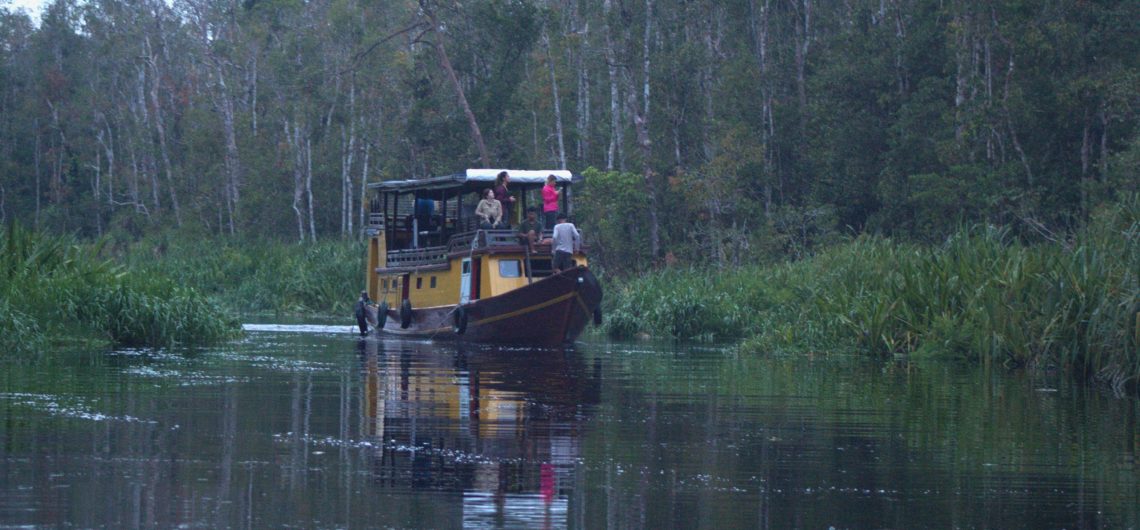
You can slow down, step onto a wooden riverboat, and let the rainforest carry you.
In Tanjung Puting National Park, the journey is not just about seeing orangutans. It’s about living on the river. And that experience begins the moment you step onto a klotok.
What Exactly Is a Klotok?
A klotok is a traditional wooden boat used for generations by local communities in Kalimantan. Long before tourism arrived, these boats transported goods, families, and supplies along the winding rivers of Borneo.
Today, they’ve been thoughtfully adapted for eco-tourism.
Most klotoks used for orangutan tours include:
-
A shaded upper deck with mattresses, pillows, and mosquito nets
-
A lower deck dining area with table and chairs
-
A small but functional kitchen
-
A simple bathroom with toilet and shower (river water system)
-
A crew of 3–4 people (captain, guide, cook, and deckhand)
It’s simple. It’s open-air. And it places you directly inside the landscape instead of separating you from it.
The Journey Begins: Cruising the Sekonyer River
From Kumai port, the boat slowly moves into the brownish waters of the Sekonyer River, the gateway to the park. The engine hums steadily. The air smells earthy and fresh.
As you leave the village behind, the river narrows. Palm trees gradually give way to thick rainforest. The sky feels wider. The world feels quieter.
Wildlife sightings often begin sooner than expected:
-
Long-tailed macaques along the riverbanks
-
Silver leaf monkeys resting in treetops
-
Colorful kingfishers darting across the water
-
Occasionally, proboscis monkeys leaping dramatically between branches
And you haven’t even reached the feeding stations yet.
Afternoon Life on Board
By afternoon, the rhythm of the river becomes your rhythm.
There is no rush. No traffic. No schedule except nature’s.
You might:
-
Read a book while lying on the deck mattress
-
Sip fresh coffee or tea prepared by your cook
-
Chat with your guide about orangutan behavior and conservation
-
Simply watch the rainforest pass by
Lunch is served onboard—often surprisingly delicious. Fresh vegetables, tempeh, chicken, fish, sambal, soup, and tropical fruits like pineapple or watermelon.
Many travelers are shocked at how good the food tastes in the middle of the jungle.
Visiting the Orangutan Feeding Stations
During your cruise, you’ll stop at rehabilitation and feeding areas such as:
-
Camp Leakey
-
Pondok Tanggui
-
Tanjung Harapan
Here, semi-wild orangutans come to feeding platforms during scheduled times. Rangers call them with traditional signals, and slowly—sometimes dramatically—they appear from the forest.
A mother with her baby clinging tightly.
A dominant male with long cheek pads.
Juveniles swinging confidently from tree to tree.
After the visit, you return to the klotok. And that’s when the deeper experience begins.
Sunset on the River: The Golden Hour You’ll Never Forget
As the sun lowers, the entire river turns gold.
The boat captain looks for a quiet spot along the riverbank to anchor for the night. The engine turns off.
Silence.
Then slowly… the jungle soundscape rises.
Proboscis monkeys gather in trees near the water, their distinctive long noses visible against the orange sky. They settle in for the night, sometimes making soft honking sounds.
This moment—floating, surrounded by rainforest, watching the sky change colors—is when most travelers realize this trip is different from any other.
Dinner in the Jungle
Dinner is freshly prepared in the small onboard kitchen.
Meals are typically:
-
Rice or noodles
-
Stir-fried vegetables
-
Chicken or fish
-
Tofu or tempeh
-
Sambal (chili sauce)
-
Fresh fruit dessert
Vegetarian and special dietary requests can usually be accommodated with advance notice.
There is something deeply comforting about eating a warm meal while anchored in the rainforest, under dim lighting, with nothing but trees around you.
Sleeping on the Upper Deck: Raw, Peaceful, Real
At night, mattresses are arranged neatly on the upper deck. Mosquito nets are lowered. Blankets are provided.
There are no walls. No glass windows. Just open space.
And then the jungle orchestra begins.
You may hear:
-
Crickets and cicadas
-
Frogs calling from the riverbanks
-
Distant rustling in the trees
-
The occasional splash in the water
It can feel unfamiliar at first, especially if you’re used to city silence. But soon, it becomes hypnotic.
The air is cooler at night. A soft breeze flows across the river. Above you, if the sky is clear, stars shine brightly without light pollution.
Many guests say this is the most peaceful sleep they’ve had in years.
Morning Mist and Coffee on the River
At sunrise, the forest wakes slowly.
A thin mist floats above the water. Birds begin calling from different layers of the canopy. The sky turns pale pink and gold.
You wake naturally—no alarm needed.
Coffee or tea is served while the boat gently starts moving again. Breakfast might include eggs, toast, pancakes, or fried rice.
There’s something incredibly grounding about starting your day surrounded by untouched rainforest.
Is It Comfortable? Let’s Be Honest.
A klotok is not a luxury yacht.
You should expect:
-
Limited electricity (usually generator at night only)
-
No air conditioning (natural airflow instead)
-
Basic bathroom facilities
-
Occasional insects (this is the rainforest)
-
No Wi-Fi or mobile signal in most areas
But here’s what you gain:
-
Deep immersion in nature
-
A slower pace of travel
-
Cultural authenticity
-
Unique wildlife access
-
An unforgettable story
Comfort on a klotok isn’t about luxury—it’s about connection.
Why Staying on a Klotok Is Better Than a Lodge
Some travelers ask: why not stay in a jungle lodge?
Here’s why the klotok experience stands out:
-
You wake up in different locations each day.
-
You travel deeper into remote river areas.
-
You experience the river ecosystem continuously.
-
It’s lower impact and eco-friendly.
-
The journey itself becomes part of the destination.
On land, you visit the jungle.
On a klotok, you live inside it.
The Emotional Side of the Experience
Something shifts when you spend nights on the river.
Without constant notifications, screens, and city noise, your senses sharpen.
You notice:
-
Subtle changes in bird calls
-
How the river reflects light differently each hour
-
The way trees bend slightly in the wind
You begin to feel present.
And when you finally leave the boat and return to modern life, many travelers carry that quiet awareness with them.
Final Thoughts: More Than Just a Place to Sleep
A klotok is not just accommodation.
It’s a floating front-row seat to one of the last great rainforests on Earth.
In Tanjung Puting National Park, orangutans may be the highlight—but life on the river is the soul of the journey.
If you are looking for:
-
Adventure without extreme hardship
-
Nature without barriers
-
A meaningful way to travel
Then sleeping on a klotok might just become your favorite part of Borneo.
Comments